Categories
New Blog
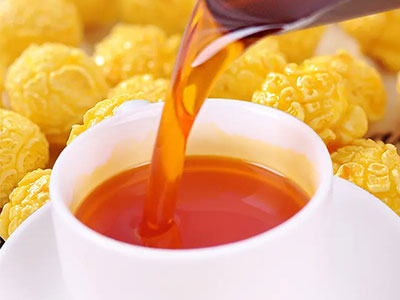
Lecithin is found in various foods, including egg yolk, soybeans, and sunflower seeds. It’s a naturally occurring fatty substance that is found in plants and animals. It’s a phospholipid molecule that consists of a glycerol backbone, two fatty acid chains, a phosphate group, and a choline group. Lecithin is also used as a dietary supplement, as it is believed to help improve brain function, lower ...
Starting or upgrading a high-volume concession stand, cinema chain, entertainment facility, or industrial snack brand requires critical capital equipment decisions. Concessionaires and food production plant directors constantly ask: Where to buy commercial popcorn equipment that guarantees industrial durability, energy efficiency, and rapid return on investment (ROI)? While local restaurant supply...
Investing in commercial concession equipment requires balancing upfront capital expenditure against long-term throughput and operational reliability. For cinema multiplexes, theme parks, retail gourmet popcorn stores, and high-volume snack manufacturing facilities, a standard small-batch popper is insufficient. Buyers often ask: How much does a high-capacity commercial popcorn machine cost? In tod...
Every moviegoer recognizes the intoxicating aroma of freshly popped corn the moment they step into a cinema lobby. Yet behind that golden, crunchy snack lies a sophisticated thermal and mechanical operation. For theater operators, snack food factories, and concession entrepreneurs, understanding how a commercial popcorn machine works is critical to maximizing kernel popping yield, minimizing waste...
When choosing popcorn equipment, one of the first questions buyers often ask is: What is the difference between a commercial popcorn machine and an industrial popcorn machine? The main difference is the scale of production. Commercial popcorn machines are generally designed for shops, cinemas, restaurants, concession stands, and other locations where popcorn is produced and sold directly to custom...
A popcorn caramelizer is a machine that cooks caramel and mixes it with popped corn to create evenly coated caramel popcorn. It combines controlled heating, mechanical stirring, and coating in one process, helping commercial popcorn shops and food factories produce consistent batches with less manual mixing. Unlike a standard popcorn popper, a caramelizer focuses on the flavoring stage after the k...
A popcorn coater and a popcorn caramelizer both help manufacturers add flavor to popcorn, but they serve different processing needs. A popcorn coater typically distributes seasoning powders and other suitable flavoring ingredients over popped popcorn. A caramelizer is designed to heat, mix, and apply coatings such as caramel during popcorn production. The main difference is the heating and coating...
Commercial caramel popcorn is made by popping corn kernels, preparing a caramel coating, mixing the popcorn with the coating, and cooling the finished product before packaging. In a commercial popcorn factory, these operations can be handled by individual machines or integrated into an automated production line, depending on the required output and product specifications. For manufacturers, the ch...
Keeping caramel popcorn crispy requires more than a good recipe. The caramel must be cooked to the right consistency, distributed evenly over the popcorn, and allowed to cool before the product is packed. Moisture control is equally important because caramel popcorn can become sticky or lose its crunch when it absorbs moisture from the surrounding air. For popcorn shops, snack brands, and commerci...
Caramel popcorn should have a crisp texture, an even caramel coating, and a sweet, slightly crunchy finish. However, if the popcorn becomes sticky, clumps together, or feels soft instead of crisp, something may have gone wrong during production, cooling, or storage. Caramel popcorn usually becomes sticky because moisture enters the caramel coating, the caramel has not been cooked properly, or the ...
Caramel popcorn usually burns during production because the caramel is exposed to excessive heat, heated for too long, or not mixed evenly. Caramel residue on hot equipment, inconsistent ingredient feeding, and unsuitable batch sizes can also cause dark spots, bitter flavors, and uneven coating. For commercial popcorn manufacturers, preventing burnt caramel is not just a matter of adjusting the te...
Caramel popcorn production involves more than popping corn and adding sugar. To produce popcorn with a consistent caramel coating, manufacturers need to control popping quality, caramel preparation, mixing, cooling, and packaging. Each stage affects the final product's appearance, sweetness, texture, and shelf life. For commercial snack brands and popcorn factories, the right equipment helps make ...
Popcorn usually burns in a commercial popcorn machine because the kettle becomes too hot, the stirring system fails to move kernels evenly, the batch stays in the kettle too long, or oil and seasoning residues accumulate on the heated surface. In some cases, the problem comes from unsuitable ingredients or incorrect operating procedures rather than the machine itself. For cinemas, concession stand...
Freshly popped popcorn should be light, crisp, and easy to bite. But sometimes, even when the kernels pop properly, the finished popcorn becomes chewy, tough, or slightly rubbery after a short time. This is a common problem for home snack makers, cinemas, concession stands, and commercial popcorn manufacturers. Popcorn becomes chewy after popping mainly because moisture gets back into the popped c...
Popcorn is best when it has a light, crisp texture and a satisfying crunch. However, freshly popped popcorn can gradually become soft, stale, or chewy, even when it looks perfectly normal. For cinemas, snack shops, and popcorn manufacturers, losing crispness can affect product quality, customer satisfaction, and shelf life. Popcorn loses its crispness mainly because moisture enters the popped kern...
Popcorn sticking to the kettle is a common problem in commercial popcorn production. It usually happens when sugar or caramel overheats, oil is not distributed evenly, the kettle has residue from previous batches, or the heating and stirring process is not properly controlled. In some cases, a worn or damaged kettle surface can also make sticking worse. To prevent popcorn from sticking to the kett...
A commercial popcorn machine is designed for repeated use in cinemas, snack shops, concession stands, and food service businesses. However, even a well-maintained machine can develop problems such as uneven popping, burnt popcorn, unpopped kernels, heating failures, or popcorn that loses its crispness. Most common commercial popcorn machine problems can be traced to ingredient quality, operating p...
Packaged popcorn stays fresh and crisp when moisture is kept out, the product is cooled properly before packing, and the packaging material provides an effective barrier against humidity. For popcorn manufacturers and snack brands, freshness depends on the entire process—from popping and flavor coating to cooling, sealing, storage, and distribution. Popcorn may leave the production line with a lig...
1
22
pages No.58 TongMing Road,TongAn District,XiaMen City,FuJian Province
 +86-592-5701935
If you are interested in any XFD product, please leave us a message, we will reply to you soon.
Copyright © 2012-2026 XFD XIAMEN MACHINERY TECHNOLOGY LTD..All Rights Reserved.
 English
 Deutsch
 русский
 español
 português
 Nederlands
 العربية
 हिंदी