Categories
New Blog
Popcorn sticking to the kettle is a common problem in commercial popcorn production. It usually happens when sugar or caramel overheats, oil is not distributed evenly, the kettle has residue from previous batches, or the heating and stirring process is not properly controlled. In some cases, a worn or damaged kettle surface can also make sticking worse.
To prevent popcorn from sticking to the kettle, operators should check the heating temperature, ingredient ratios, stirring performance, and cleaning routine before changing the recipe. For businesses producing caramel or flavored popcorn at scale, choosing equipment with stable heating, effective mixing, and easy-to-clean surfaces can also help reduce burnt residue and production downtime.
The most common reason popcorn sticks to a kettle is that ingredients become too hot or remain in contact with a hot surface for too long. This is especially noticeable when making caramel popcorn, because sugar can melt, thicken, and burn if the temperature and mixing process are not controlled.
Several factors can contribute to the problem:
Before changing the entire recipe, identify when the sticking occurs. If it happens mainly during caramel production, check sugar handling and mixing first. If plain popcorn also sticks, inspect the oil distribution, heating system, kettle condition, and cleaning process.
The best solution depends on the type of popcorn, heating technology, and equipment being used. The following checks can help operators troubleshoot the problem without making unnecessary changes to the production process.
Check the heating temperature. Follow the machine manufacturer's recommended operating settings and the requirements of your recipe. Avoid increasing the heat simply to shorten production time. When sugar or caramel is involved, excessive heat can quickly turn a manageable coating mixture into burnt residue.
Use the correct amount of oil. Too little oil may result in uneven heating and poor ingredient distribution, while excessive oil can affect the finished product. Follow a tested recipe and adjust it gradually rather than changing several ingredients at once.
Keep the stirring system working properly. Check whether the agitator rotates smoothly and whether ingredients move consistently through the kettle. Unusual noises, irregular movement, or ingredients gathering in one area may indicate a maintenance or mixing issue.
Clean the kettle between production runs. Remove food residue using the cleaning method approved for the specific machine. Do not scrape the surface with tools that may damage it, and do not pour water into electrical components or a hot kettle unless the manufacturer's instructions explicitly allow it. Always follow the equipment's shutdown and cooling procedures before cleaning.
Inspect the kettle surface regularly. If sticking continues after the recipe, heating, stirring, and cleaning process have been checked, examine the kettle for scratches, corrosion, or other damage. A damaged component may need professional inspection or replacement.
For businesses comparing different heating designs, XFD provides several types of popcorn equipment. You can review the available commercial popcorn machines to evaluate which setup best fits your production volume and operating requirements.
Caramel popcorn presents a different challenge from plain salted popcorn. Sugar melts during heating and forms a sticky coating. If the caramel becomes too hot, loses the right consistency, or is not mixed evenly, it can attach to the kettle and harden as it cools.
To reduce sticking during caramel popcorn production:
For a small popcorn shop, careful manual operation and routine cleaning may be sufficient. A factory producing caramel popcorn continuously may need equipment designed specifically for cooking and mixing coated popcorn. XFD's industrial popcorn cooker and coater combines cooking and mixing functions, with adjustable digital temperature control and an independently adjustable stirring system. These features can help operators manage the caramel process more consistently.
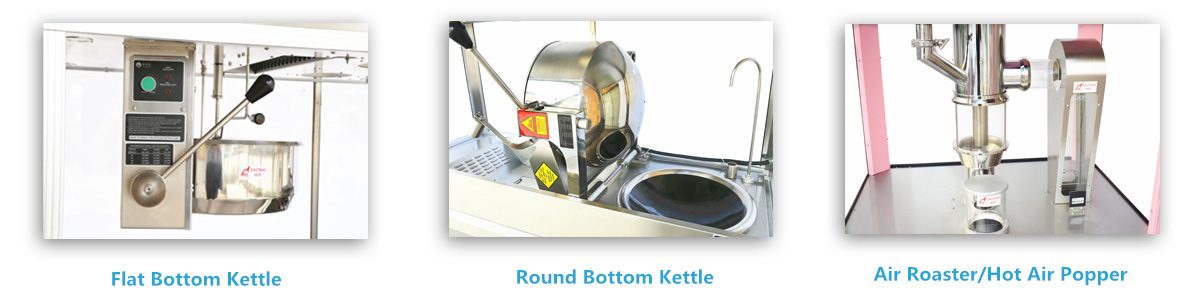
Heating design can influence temperature distribution, cooking consistency, and cleaning requirements. Different popcorn machines use different heating methods, so the most suitable choice depends on the product, batch size, and production workflow.
Traditional electric heating systems use heating elements to heat the kettle. Operators need to follow the specified operating settings and monitor the cooking process to avoid overheating or leaving ingredients on the hot surface for too long.
Electromagnetic heating directly heats the compatible metal kettle. XFD describes its electromagnetic popcorn machines as using a round-bottom kettle designed to help keep kernels within the effective heating area during stirring. This design can support more consistent popping, although the actual results still depend on the recipe, settings, maintenance, and operating conditions.
Hot-air popcorn machines use circulating hot air to pop kernels rather than relying on a conventional oil-heated kettle. This can be useful for certain production requirements, but a hot-air system is not automatically the best choice for every caramel or coated-popcorn process.
To compare the differences in more detail, read XFD's guide to popcorn kettle designs and heating technologies. For larger operations, the industrial popcorn machine range can also help manufacturers evaluate production-line options according to their capacity and product requirements.
Cleaning is important because a thin layer of old oil, sugar, or burnt popcorn can become the starting point for further residue buildup. However, cleaning methods must match the machine's construction and manufacturer's instructions.
Do not assume that every kettle can be soaked, filled with water, or cleaned using the same method. Some machines have specific automatic cleaning functions, while others require a different procedure. Always consult the instructions for the exact model in use.
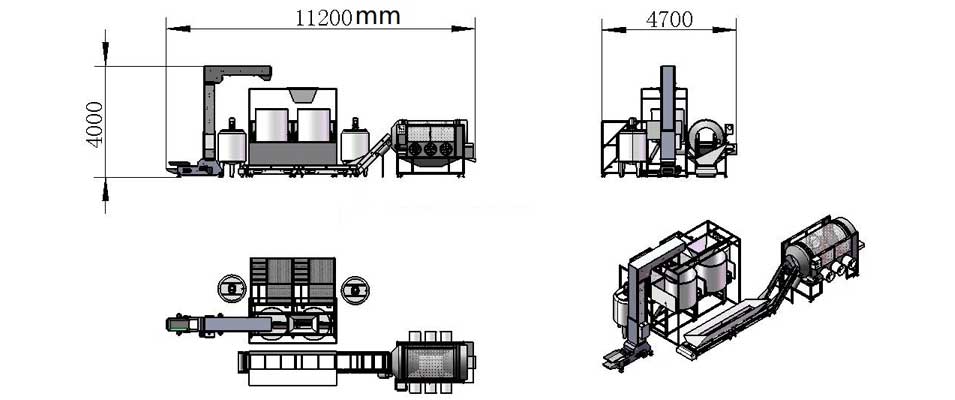
For factories making caramel or other coated popcorn, cleaning should also be considered when selecting equipment. XFD's popcorn production and coating line combines popping, conveying, and coating stages to support a more organized production workflow. The suitable configuration depends on the factory's output, recipe, and cleaning requirements.
If popcorn sticks only occasionally, adjusting the recipe, checking the temperature, and improving cleaning may solve the problem. Replacing the machine should not be the first response to every sticking issue.
However, equipment evaluation may be worthwhile if the same problems continue despite correct operation, especially when production involves frequent caramel batches or large volumes. Look for equipment features that match the actual process, including:
For a factory, a dedicated cooker and coater may be more appropriate for caramel production than relying on a standard popping kettle to perform every task. For a cinema or snack shop, a commercial popcorn machine may be a better fit. The right choice depends on whether the main challenge is popping, caramel cooking, coating, cleaning, or overall production capacity.
Why does popcorn stick to the kettle even when I use oil?
Oil alone cannot prevent all sticking. Excessive heat, uneven oil distribution, burnt sugar, insufficient stirring, or residue from previous batches can still cause ingredients to stick. Check the recipe, operating settings, kettle condition, and cleaning routine.
Why does caramel popcorn stick more than regular popcorn?
Caramel contains sugar that melts and thickens during heating. If it becomes too hot or is not mixed evenly, it can burn onto the kettle and harden as it cools. Use a tested recipe and follow the machine's temperature and stirring recommendations.
Can high temperature cause popcorn to stick to the kettle?
Yes. Excessive or uneven heat can scorch oil, sugar, and food residue. Use the temperature settings recommended for the specific machine and recipe rather than increasing heat to speed up production.
How often should a popcorn kettle be cleaned?
Remove residue at the intervals specified by the equipment manufacturer. In commercial operations, inspect and clean the kettle as part of the routine between batches or production runs when required by the machine and recipe. Follow the approved shutdown, cooling, and cleaning procedures.
Does electromagnetic heating prevent popcorn from sticking?
Electromagnetic heating can provide direct kettle heating and may support consistent operation when correctly configured. It does not eliminate sticking caused by burnt sugar, incorrect ingredient ratios, poor maintenance, or improper cleaning.
Which machine is suitable for reducing sticking during caramel popcorn production?
For factory-scale caramel popcorn, a dedicated industrial popcorn cooker and coater with adjustable temperature control and a suitable stirring system may help operators manage cooking and coating more consistently. The best model depends on batch size, recipe, output requirements, and cleaning procedures.
 No.58 TongMing Road,TongAn District,XiaMen City,FuJian Province
 +86-592-5701935
If you are interested in any XFD product, please leave us a message, we will reply to you soon.
Copyright © 2012-2026 XFD XIAMEN MACHINERY TECHNOLOGY LTD..All Rights Reserved.
 English
 Deutsch
 русский
 español
 português
 Nederlands
 العربية
 हिंदी
हिंदी