Categories
New Blog
Large-scale popcorn production requires more than a high-capacity popcorn maker. A commercial popcorn factory typically needs equipment for popping, ingredient feeding, conveying, cooling, flavor coating, and packaging. The exact setup depends on the required output, popcorn flavors, production method, and level of automation.
For manufacturers supplying supermarkets, snack distributors, wholesale customers, or multiple retail locations, an integrated production line can help coordinate these steps and reduce unnecessary manual handling. XFD provides industrial popcorn machines and production lines for different factory production requirements.
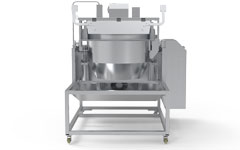
The industrial popcorn popping machine is the core of a large-scale production line. It heats corn kernels and turns them into popcorn at a controlled production rate. For a factory, the machine should provide consistent popping performance and work smoothly with the equipment before and after it.
There are two common approaches to industrial popcorn production:
For example, XFD lists an industrial electromagnetic production line with an output of approximately 80 kg/h and a multiple-machine configuration rated at up to 160 kg/h. These are model-specific figures rather than guaranteed output for every production line. Actual output depends on the selected equipment, product, operating conditions, and configuration.
Factories can compare the available industrial popcorn machine models according to their target hourly output, heating method, available floor space, and expected future capacity.
Once popping begins, a steady supply of raw materials is essential. Depending on the production line, the feeding system may include kernel hoppers, oil storage tanks, pumps, and automatic feeding mechanisms.
An oil feeding system can supply oil to the popping equipment at a controlled rate. An oil tank with heating preservation and a pump can also help maintain the oil in a suitable condition for the production process.
For automated production, the feeding system should be matched to the popping machines rather than selected independently. If the feeding rate is too low, the popping equipment may wait for ingredients. If feeding is inconsistent, production planning and finished-product quality can become more difficult to control.
When evaluating a complete large-scale popcorn production and coating line, check whether kernel feeding, oil delivery, temperature control, and kettle-dumping functions are included in the proposed configuration.
After popping, popcorn needs to move from one processing stage to the next without creating unnecessary bottlenecks. Conveyors and elevators help transfer popcorn between the popping, cooling, coating, and packaging stages.
For example, a Z-type elevator or conveyor can lift and move popcorn through a production line. The conveyor's capacity, height, construction material, and cleaning requirements should match the rest of the equipment.
Conveying equipment is especially important when a factory operates several popping machines. If the upstream machines produce popcorn faster than the next stage can accept it, finished popcorn may accumulate and interrupt production.
When planning a line, confirm the transfer direction, installation height, available space, and required cleaning access. These details help ensure that equipment works together as one process instead of several disconnected machines.
Cooling and filtering equipment removes excess heat and helps separate unpopped kernels, small fragments, and other unwanted material from the finished popcorn. This stage is particularly important before coating and packaging.
Popcorn that enters a coating or packaging stage while excessively hot may affect coating consistency or contribute to moisture-related quality problems, depending on the recipe and process. Appropriate cooling helps prepare the product for the next operation.
A cooling and filtering machine should be selected according to the line's throughput, cooling requirements, product type, and cleaning procedures. Airflow, separation performance, and ease of maintenance are also worth checking.
XFD's industrial line configurations include cooling and filtering equipment. Review the XFD industrial popcorn equipment range to identify a suitable arrangement for the intended production process.
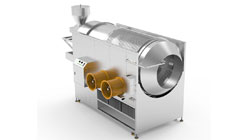
Factories producing caramel, cheese, chocolate, strawberry, or other flavored popcorn need a suitable coating or flavoring system. The equipment depends on whether the recipe uses liquid caramel, a cooked sugar coating, dry seasoning powder, or another flavoring ingredient.
Common options include:
Coating equipment must be matched to the recipe and the required output. A machine designed for dry seasoning is not automatically suitable for cooking sticky caramel. Buyers should confirm the ingredients, heating requirements, mixing action, cleaning process, and target production rate before selecting a model.
For factories making several product varieties, a properly configured coating stage can make it easier to change flavors and maintain a repeatable process. Explore XFD's industrial popcorn production solutions to compare production-line options that include flavoring and coating equipment.
Packaging equipment prepares finished popcorn for storage, distribution, and sale. Depending on the product, a factory may need a weighing and filling system, bag-sealing equipment, or a dedicated packaging machine for a particular product format.
Packaging capacity should be compatible with the output of the upstream production line. If the popping and coating stages produce more popcorn than the packaging machine can handle, finished product may build up before packing.
Packaging requirements also depend on the sales channel. Retail bags, wholesale packs, and microwave popcorn products may require different packaging formats and equipment. Buyers should confirm bag dimensions, filling accuracy, sealing requirements, packaging material, and the desired number of packs per minute.
For factories that want to combine production and packing, XFD offers a fully automatic popcorn production and packing line. The listed configuration is intended for factory production and can be evaluated according to the required output and packaging process.
A large-scale popcorn production line may also require a PLC control system, temperature controls, alarms, product inspection procedures, and supporting utilities. These components help operators coordinate equipment and identify process problems.
Before ordering, check the following supporting requirements:
For food-contact surfaces, request the relevant material specifications and documentation for the actual machine configuration. XFD lists food-grade stainless steel and other equipment specifications on selected product pages; buyers should verify the details applicable to their quotation.
The best production line is not necessarily the one with the largest rated capacity. It is the one that meets the factory's real production needs while keeping the complete process balanced.
Before selecting equipment, consider these five factors:
For reference, XFD lists a fully automatic production and packing line intended for an output range of approximately 100–160 kg/h. Other configurations have different capacities. These figures should be used as starting points for discussion, not as a substitute for confirming the output of the complete line under the intended production conditions.
Factories with a defined output target can review XFD's fully automatic popcorn production and coating line and request a configuration based on their recipes, operating hours, and packaging needs.
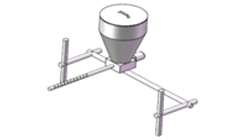
A typical factory workflow may follow this sequence, although the actual arrangement varies by recipe and equipment configuration:
Not every production line uses exactly the same sequence. For example, some recipes require cooling before coating, while others use a combined cooking and coating stage. The equipment supplier should design the layout around the specific recipe and required product characteristics.
XFD's product range covers individual popcorn machines as well as industrial production, coating, and packing equipment. This gives manufacturers a starting point for comparing equipment modules or discussing a more integrated production line.
When requesting a quotation, provide the desired output in kg/h, popcorn varieties, coating recipes, packaging format, factory power supply, and available installation space. These details help the supplier determine which machines and supporting systems are appropriate.
To compare equipment options, visit the XFD industrial popcorn machine category or review the large-scale popcorn production and coating line for an example of how popping, oil feeding, conveying, cooling, and coating equipment can be combined.
Choosing the right equipment starts with the product and the target output—not simply the number of machines. A well-matched production line can help a popcorn factory organize its workflow, control product consistency, and prepare for future growth.
A typical setup includes an industrial popcorn popping machine, ingredient and oil feeding systems, conveyors, cooling and filtering equipment, coating or flavoring machines, and packaging equipment. The exact configuration depends on the product, output target, and automation level.
Capacity varies by machine and configuration. XFD lists industrial electromagnetic systems with examples around 80 kg/h and multiple-machine configurations up to 160 kg/h. The actual output should be confirmed for the selected line and product recipe.
Commercial popcorn machines are generally designed for cinemas, concession stands, and retail venues. Industrial popcorn machines and production lines are designed for factory processing, larger output requirements, and integration with conveying, coating, cooling, or packaging equipment.
A coating machine is needed when the product requires a coating or seasoning process that the popping machine cannot perform on its own. The appropriate equipment depends on whether the recipe uses caramel, cooked sugar, dry powder, or another flavoring method.
Yes. Some production configurations combine popcorn making with downstream processing and automatic packing. The packaging system should be selected according to the product format, bag dimensions, sealing method, and required packing speed.
Start with the target output in kg/h, the types of popcorn and coatings, the available floor space, power supply, labor requirements, packaging format, and future expansion plans. Ask the supplier to confirm the capacity and included equipment for the proposed configuration.
 No.58 TongMing Road,TongAn District,XiaMen City,FuJian Province
 +86-592-5701935
If you are interested in any XFD product, please leave us a message, we will reply to you soon.
Copyright © 2012-2026 XFD XIAMEN MACHINERY TECHNOLOGY LTD..All Rights Reserved.
 English
 Deutsch
 русский
 español
 português
 Nederlands
 العربية
 हिंदी
हिंदी