Categories
New Blog
Operating a professional concession stand, cinema chain, or amusement venue requires consistent food quality, operational speed, and minimal ingredient waste. Learning how to use a commercial popcorn machine properly bridges the gap between raw kernels and maximum profit margins. Modern cinema-grade systems—particularly electromagnetic induction popcorn makers developed by specialized manufacturers like XFD Popcorn—eliminate hot-spot scorching, cut batch turnaround times, and automate critical popping cycles. This comprehensive technical guide walks you through every stage: pre-operational safety protocols, accurate raw material ratios, step-by-step kettle procedures, daily sanitation SOPs, and actionable troubleshooting techniques.
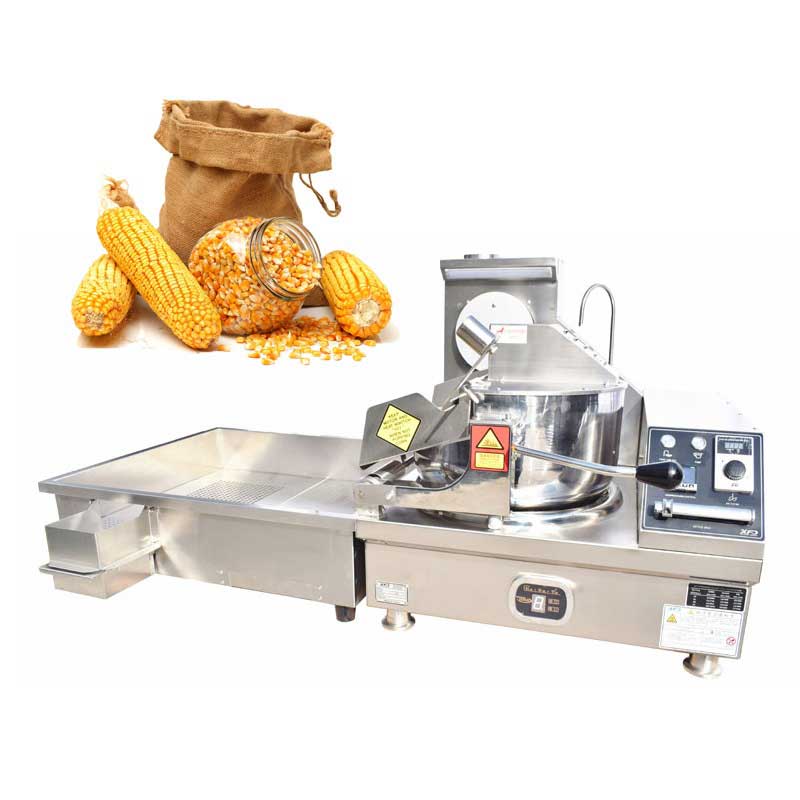
Before firing up the equipment, concession managers and technicians must understand the core structural elements of commercial popping units. Whether operating a compact 16 oz tabletop unit or a heavy-duty 48 oz cinema suspended popper, commercial systems consist of five primary subsystems:
1. The Popping Kettle Assembly: Fabricated from stainless steel or cast aluminum, the kettle contains embedded heating coils or high-frequency induction copper coils. High-grade systems utilize spring-assisted kettle lids and integrated internal stirring motors to sweep kernels across the heated base constantly.
2. The Control Switchboard: Commercial control panels typically isolate three critical circuits:
3. The Internal Cabinet & Heated Deck: High-volume concession setups feature a perforated bottom plate (the "drop zone"). This perforated floor lets unpopped kernels (old maids) drop into an accessible clean-out drawer below while warm air circulates upwards through the popped corn.
4. Fume Purification and Exhaust System: Premium cinema poppers incorporate internal blower motors and plasma oil fume purification filters, actively removing grease fumes, steam, and intense odors from public theater lobbies.
5. Automatic Oil Dispensing Pump (Optional): Floor-standing and high-capacity models often connect to external pail oil pumps that inject measured, pre-heated oil into the kettle at the push of a button.
Achieving the golden, crisp texture expected by concession patrons requires balanced ingredient formulas. Substituting domestic butter or margarine causes kettle smoking, rapid scorching, and limp popcorn due to high moisture levels. Industrial popping demands specific raw materials:
| Kettle Size | Raw Corn Kernels | Popping Oil (Coconut/Palm) | Seasoning Salt (Flavacol) | Sweet Coating Sugar (Optional) |
|---|---|---|---|---|
| 8 oz - 12 oz | 225g - 340g | 75g - 110g | 5g - 7g | 120g - 170g |
| 16 oz - 28 oz | 450g - 800g | 150g - 260g | 10g - 15g | 250g - 400g |
| 32 oz - 48 oz | 900g - 1360g | 300g - 450g | 20g - 30g | 500g - 750g |
For operations focused on industrial or high-output retail sales, selecting the proper grade from an established commercial popcorn machine line ensures matching kettle output with concession flow demands, avoiding both supply bottlenecks and stale product holding.
Consistent popcorn production follows an exacting technical cycle. Train all staff members to follow these six operational phases sequentially:
Ensure the internal popcorn cabinet, crumb drawer, and kettle interior are thoroughly clean, free of rancid oil crusts or hardened carbon deposits. Turn on the Cabinet Warming Light and the Base Warmer Element to ensure that the stainless-steel deck reaches holding temperature before the first batch drops.
Flip on the Stirrer Motor and Kettle Heat switches. Add the measured quantity of oil into the cold/warming kettle. Allow the oil to liquefy and heat up. A reliable indicator of thermal readiness: toss 3 test kernels into the oil and close the lid. When those 3 kernels pop, your oil temperature has crossed approximately 380°F (193°C), indicating ideal popping conditions.
Lift the kettle lid carefully using heat-resistant safety gloves. Immediately pour in the measured batch of corn kernels, promptly by the seasoned salt (or customized glaze sugar). Close the kettle lid without delay. Keep the agitator active throughout this phase. The stirring blade prevents heavy sugar powders from sinking directly onto the heated kettle bottom, preventing caramel scorching.
Within 60 to 90 seconds, moisture trapped inside the kernel endosperms converts into superheated steam. As pressure builds to 135 psi, the hulls burst, forcing the spring-assisted kettle lids open as white popcorn spills over into the holding cabinet. Staff must remain beside the unit during popping; unattended kettles are the primary cause of concession fires and ruined batches.
Listen attentively to the cadence of popping sounds. The moment popping slows to one pop every 2 to 3 seconds, grab the kettle tilt handle (or engage the pneumatic/power dump switch on automated models) and fully invert the kettle. Shake gently to clear any trapped popcorn kernels, then return the kettle to the level upright position immediately.
If running consecutive batches, add fresh oil and kernels immediately—the pre-heated kettle reduces subsequent cycle times by 30%. If ending the production run, switch off the Kettle Heat and Stirrer Motor immediately. Never leave the kettle heating element engaged without oil and kernels inside.
Popping is only half the battle; maintaining freshness, crunchiness, and aroma throughout a 12-hour business day dictates your repeat sales. Popcorn dropped onto the warming floor contains residual steam. Using a stainless steel perforated scoop, gently toss the fresh batch for 15 seconds. This quick aeration releases moisture vapor, preventing the bottom popcorn from becoming soggy.
Sweep the batch over the perforated drop floor so unpopped hard kernels drop through into the debris drawer. In high-traffic venues, moving excess popped product into a dedicated popcorn staging cabinet maintains a stable 140°F (60°C) environment via dry circulating warm air. These multi-compartment cabinets preserve crispness for up to 24 hours while allowing counter staff to organize distinct sweet, savory, and cheesy flavors cleanly.
Degraded, oxidized oil turns sticky, creating carbonized black crusts that ruin thermal conductivity and introduce rancid off-flavors. Follow this three-tier sanitation routine to preserve hygiene and extend your equipment's operational lifespan.
Over days of high-temperature cooking, microscopic carbon layers accumulate inside the kettle corners. To dissolve this carbon film, perform a weekly boil-out using an approved food-grade kettle cleaner for popcorn machines. Dilute the cleaning agent with water to the fill line, turn on kettle heat until it begins to simmer gently, let it dissolve stubborn grease for 15 minutes, turn off heat, and drain. Wipe completely with a vinegar-neutralizing rinse to restore a mirror-shine cooking surface.
Inspect the flexible power lead cord connecting the kettle to the cabinet ceiling. Ensure heat-resistant spiral sleeves show no fraying or grease buildup. Inspect agitator gear pins and check drive belt tension. Verify internal oil-fume exhaust filters are free of congealed grease blocks to prevent motor overheating.
| Symptom | Probable Root Cause | Corrective Action |
|---|---|---|
| High Percentage of Unpopped Kernels ("Old Maids") |
1. Kettle loaded before reaching 380°F. 2. Corn kernel moisture content dropped below 13%. 3. Insufficient popping oil. |
Pre-heat kettle completely using test kernels; verify raw corn storage in airtight containers; adhere strictly to the 3:1 corn-to-oil volume ratio. |
| Scorched or Burnt Popcorn Taste |
1. Batch dumped too late after pop cycle slowed. 2. Kettle agitator motor failed or belt slipping. 3. Severe carbon buildup on kettle base. |
Dump kettle instantly when popping intervals reach 2-3 seconds; check and repair agitator drive pins; execute intensive boil-out sanitation. |
| Kettle Produces Heavy Smoke |
1. Using low smoke point cooking oils (butter, unrefined oils). 2. Kettle heating switch left on while kettle is empty. |
Switch exclusively to high-temperature popping oils (pure coconut oil or refined high-oleic palm oil); power off heat switch immediately post-dump. |
| Popcorn is Chewy, Tough, or Lacks Crispness |
1. Kettle steam exhaust vents clogged. 2. Fresh popcorn left unstirred on unheated deck. 3. Cabinet base heating element malfunctioning. |
Clean steam relief flaps on kettle lids; aerate batch immediately with perforated scoop; verify warming deck thermostat is holding at 140°F+. |
Refined coconut oil stands as the global standard for commercial movie theater popcorn due to its high smoke point (450°F / 232°C), non-greasy mouthfeel, and long shelf stability without rancidity. High-oleic canola or refined palm oils serve as common allergen-free alternatives, whereas domestic dairy butter should never be added directly to the popping kettle.
No. Real butter contains water and milk solids that burn instantly at temperatures above 250°F (121°C), filling your concession area with acrid smoke and encrusting the kettle with carbonized black sludge. Real butter or butter-flavored topping must be dispensed onto popped corn outside the kettle using a standalone topping dispenser.
A standard electric coil commercial popcorn popper requires 3.5 to 5 minutes for the initial batch and 2.5 to 3.5 minutes for consecutive batches. Advanced electromagnetic induction poppers heat instantly and uniformly, reducing turnaround cycles down to under 2 minutes per cycle.
Popping releases hot moisture vapor. If the cabinet floor warming element is turned off, or if the cabinet ventilation flaps are blocked, the steam condenses back onto the popped kernels, turning the crisp hulls soft and rubbery. Ensure the heated air circulation deck remains active and aerate fresh corn immediately after dumping.
Never submerge an electric kettle assembly in water, sinks, or commercial dishwashers. Submersion floods internal heating elements, destroys thermal cut-off switches, and ruins safety insulation, resulting in short circuits and electrocution hazards. Clean kettle interiors exclusively using boil-out methods or damp micro-fiber towels.
 No.58 TongMing Road,TongAn District,XiaMen City,FuJian Province
 +86-592-5701935
If you are interested in any XFD product, please leave us a message, we will reply to you soon.
Copyright © 2012-2026 XFD XIAMEN MACHINERY TECHNOLOGY LTD..All Rights Reserved.
 English
 Deutsch
 русский
 español
 português
 Nederlands
 العربية
 हिंदी
हिंदी